Custom vs. Off-the-Shelf Software
What to Choose and Why::
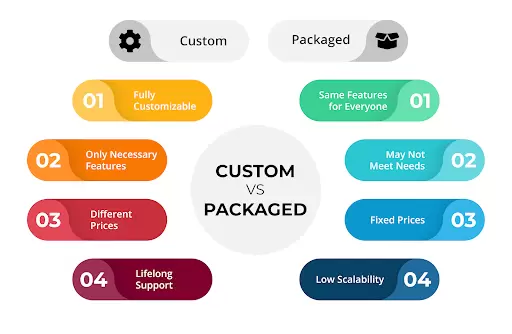
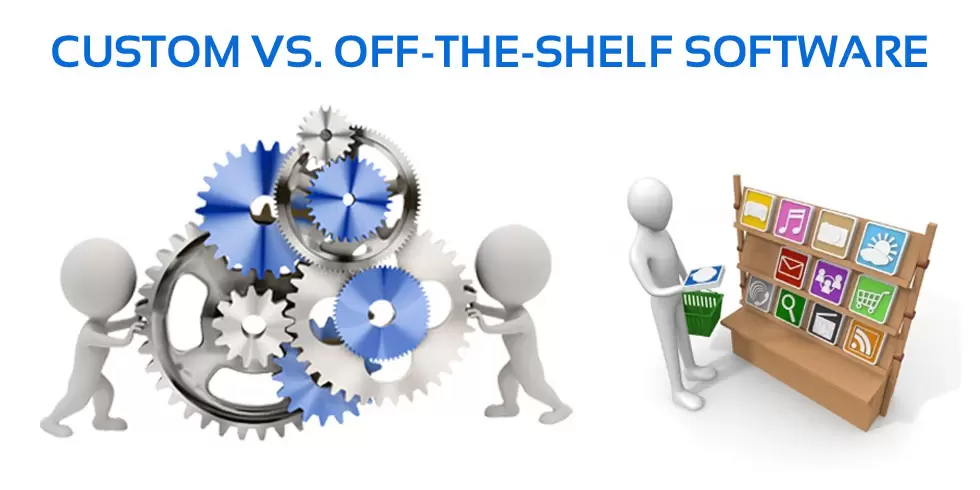
Software as a service is a huge industry. Trying to find the right software solution for your business can be overwhelming. There are many factors to consider during the selection process. The biggest is deciding whether to use custom software or something off-the-shelf (off-the-shelf software).
Each option has its strengths and weaknesses. You need to carefully weigh each of these against your business needs. We know this isn't an easy decision because your choice will affect your business for many years to come. That's why you need to take a deep look at both custom and off-the-shelf software to determine what's best for your business.
Advantages of Using Off-the-Shelf Software
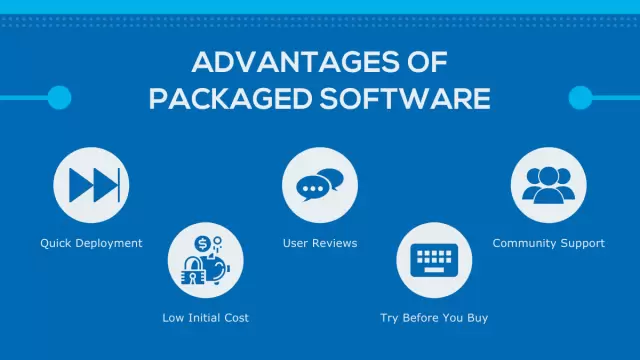
There are many reasons why your business might choose off-the-shelf software. Here are the main reasons why businesses tend to use off-the-shelf solutions:
Rapid Deployment
One of the main selling points of off-the-shelf software is that it's faster to buy, install, and use. Depending on your technical knowledge and expertise, you can have a piece of off-the-shelf software up and running by the end of the day.
Lower Initial Costs
For the most part, off-the-shelf software tends to be cheaper than its custom counterparts. This is because the software is developed for the mass market. Since it's designed for more people, the total development cost is spread across multiple users.
User Reviews
Unless you're buying a piece of off-the-shelf software on launch day, there should be user reviews of the product. You can check review sites and online forums to see how people like the software and whether it will work for you.
Try Before You Buy
Unlike most custom solutions, you can usually try a free trial version of off-the-shelf solutions. This means you can get hands-on experience with the product you're looking for. This makes it easy to test the software to see if it's what you're looking for.
Community Support
Just as you can find user reviews before you buy, if you have problems with the software, you can access community forums. You can see if other people have similar issues and what they did to resolve them quickly.
Drawbacks of Using Bundled Software
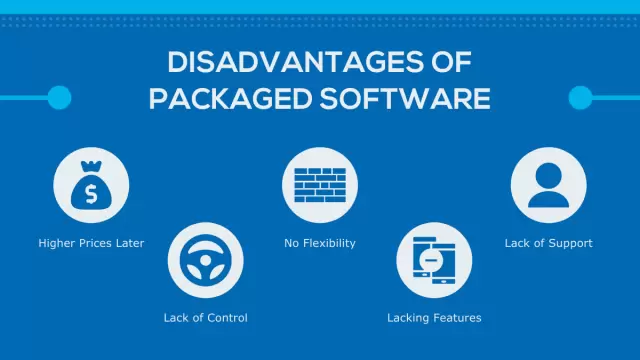
Where there are strengths, there are also weaknesses. Let's look at some reasons why you might not want to use off-the-shelf software.
Higher Prices Later
While an off-the-shelf solution might be cheaper upfront, it can cost you over time. This includes monthly costs, ongoing fees, purchasing additional features, and the opportunity cost of not being able to perform certain actions that you can with custom software.
Lack of Control
Generally, you have no control over the software. You don't own the source code, and you have no say in how it's created. Updates and changes may be dropped on you, rendering the software unsuitable for your needs.
Lack of Flexibility
You know exactly what you're getting with off-the-shelf software, and nothing more. You have no line of communication with the developers to add features that could benefit you. Instead, you might find that you have to pay extra for those features.
Lack of Features
Off-the-shelf software is designed to work with as many people as possible. As a result, it may not have all the functionality you need. If it lacks the features you require, you might find yourself using multiple solutions side-by-side to get all the features you need. Lack of Support
Not all off-the-shelf software comes with adequate support. And even among the software that does come with support, not all of it is of high quality. You might find yourself facing long-term problems due to a lack of access to the support and training that could resolve them.
Advantages of Using Custom Software
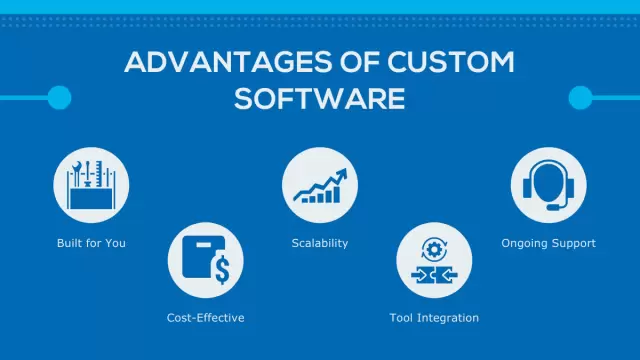
Now that we've covered the pros and cons of using packaged software, let's look at why you might want to use custom software.
Built for You
The thing about custom software is that it's designed to meet your specific needs. It's tailored to solve any problems you might encounter. You won't have to worry about not having a feature that matches your unique situation.
Cost-Effective
One of the biggest draws of a custom solution is that there are no wasted features. With a custom solution, you don't have to pay for any features you don't use. Instead, you only pay for what you use.
Scalability
As your business grows, your tools need to grow with it. An off-the-shelf solution that works now might not work later. When you buy a custom solution, you can be sure it's designed to support and match your business's growth. Tool Integration
While a ready-made solution might work, it likely won't integrate well with your other tools. You can design your own custom software to integrate your other tools so you can use everything from a single platform.
Ongoing Support
With custom software comes dedicated support. Custom software generally comes with more in-depth training and longer, more personalized support that can help your company resolve software-related issues as soon as they arise.
Disadvantages of Using Custom Software
Just as there are advantages to using custom software, there are also disadvantages you need to consider.
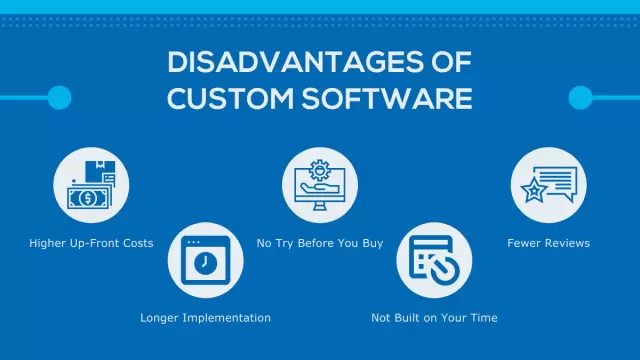
Higher Initial Costs
With custom software, the development costs are yours alone. You're not just paying for the solution itself, but also for the time you spend developing it. This can add up and result in a larger initial outlay.
Implementation Time
With ready-made software, implementation can be completed in less than a day. Custom solutions require time to develop and deploy. Not only that, but it can also take longer to train your entire team on how to use them. Don't try before you buy.
For the most part, you won't be able to see how your custom software works until it starts running.